You might think it’s easy to spot fraud in the hospitality industry. But hotel scams often come from guests, employees and vendors that are seemingly legitimate. It’s an all-too-common (yet preventable) challenge for hotels: 5–6% of total revenue is lost to fraud annually, according to Payrail’s hospitality trends report. This lost revenue, operational headaches and reputational damage are just a few ways fraud puts your property in danger.
Digital authorization tools give hotels a powerful way to stop these scams in their tracks. Verifying payment details early, automating secure transactions and maintaining detailed documentation prevents fraud and protects every dollar. Here's how to stop fraud in its tracks and reduce chargeback risks with smart, secure solutions.
Key Takeaways:
Hotel fraud is any deceptive activity that results in unauthorized charges, chargebacks or financial loss for a hotel (i.e., fake bookings, stolen credit cards or disputed payments).
Preventing hotel fraud requires operational safeguards, including digital authorizations, secure payment links and regular staff training.
Automating fraud-detection steps reduces errors and enhances protection without disrupting the guest experience.
Canary’s Guest Management System equips hotels with secure, integrated tools to prevent scams, win chargeback disputes and streamline payment workflows.
What Is Hotel Fraud?
Hotel fraud is any deceptive activity that targets your property to steal money, services or sensitive guest data. It shows up in many forms: stolen credit cards, chargebacks on fake reservations and identity theft are but a few ways scammers target your hotel. Globally, chargebacks are projected to grow 24% by 2028, reaching 324 million transactions.
The fallout is immediate and costly. Fraud drives up chargebacks and processing fees, increases liability for disputed transactions and puts your payment systems under scrutiny from banks and card networks. Fraud strains front desk teams, slows operations and erodes guest trust.
Understanding the Potential for Fraud in the Hotel Industry
Hotels are attractive to scammers because they face a unique mix of operational and payment challenges. Below, we break down the systemic reasons hotel scams are so common and why secure transactions are critical to protecting your revenue and reputation.
Decentralized Payment Systems
Hotel payments rarely live in one place. Reservations, deposits, incidentals, upsells and no-show fees typically flow through different systems and teams — and this fragmentation creates blind spots that allows suspicious activity to slip through.
Fraudsters are able to exploit structural weaknesses such as:
Multiple systems for handling card data that increase exposure
Inconsistent verification standards across departments
Limited visibility into the full guest payment journey
Manual Processes and Paper Authorizations
Manual workflows remain one of the biggest fraud risks in hospitality. Paper forms, like traditional credit card authorization forms, emailed PDFs and even faxed documents are easily misplaced, altered or misused.
These outdated handling practices introduce avoidable risks like:
Paper forms, which are vulnerable to theft and tampering
Manual entry of payment details, which allows for human error
Storing card data physically, which introduces compliance issues
Third-Party Bookings and Limited Verification
Online travel agencies (OTAs) and third-party booking channels may boost reservation volume, but they’re hard to control. When these bookings come in, hotels receive limited guest data and little insight into how the payment was verified upstream.
Third-party bookings increase the risk of booking scams because of:
Limited access to the original payment verification
Higher exposure to stolen or synthetic cards
Chargebacks that often default to the property
Limited Staff Training on Fraud Detection
Front desk teams juggle check-ins, guest requests and operational issues, leaving little time for specialized fraud training. Without clear guidance, staff may miss warning signs or follow outdated procedures.
Scams happen for a number of reasons, including:
Red flags that go unnoticed during peak hours
Inconsistent responses to suspicious behavior
Staff relying on outdated fraud prevention practices
High Volume and Fast Turnover
Hotels process a high volume of transactions in short windows, especially during peak seasons. Speed is essential for guest satisfaction, but it also reduces scrutiny.
Fast-paced environments amplify fraud risk in several ways, such as:
Limiting manual review during peak transaction times
Reducing verification time during quick check-ins
Pushing fraud detection to after checkout
Common Hotel Fraud
Hotels face a wide range of scams that target payments, identities and internal processes. Understanding the most common types of hotel fraud makes it easier to spot risks earlier and put the right safeguards in place.
Here are five kinds of hotel fraud you might see:
Kinds of Hotel Scams
Impact on Hotels
Friendly Fraud (Chargeback Disputes)
A guest completes a stay, then disputes the charge with their bank, claiming the transaction was unauthorized. Hotels lose revenue, absorb chargeback fees and risk higher processing costs when disputes pile up.
Fake Booking Websites
Fraudsters create lookalike booking sites to capture guest payment details. Hotels face angry guests, reputational damage and potential exposure to fraudulent card activity.
Credit Card Theft
Stolen card details are used to book rooms, cover incidentals or test transactions. These bookings often turn into chargebacks weeks later, leaving hotels with little recourse.
Identity Fraud at Check-In
Bad actors use fake or stolen IDs to match compromised payment methods. Without strong verification, hotels may unknowingly check in guests tied to fraudulent cards.
Employee/Insider Fraud
Internal misuse of guest data or payment access leads to unauthorized charges or data leaks. Beyond financial loss, insider fraud creates compliance risks and erodes trust across teams.
How to Prevent Friendly Fraud in Hotels with Digital Authorization
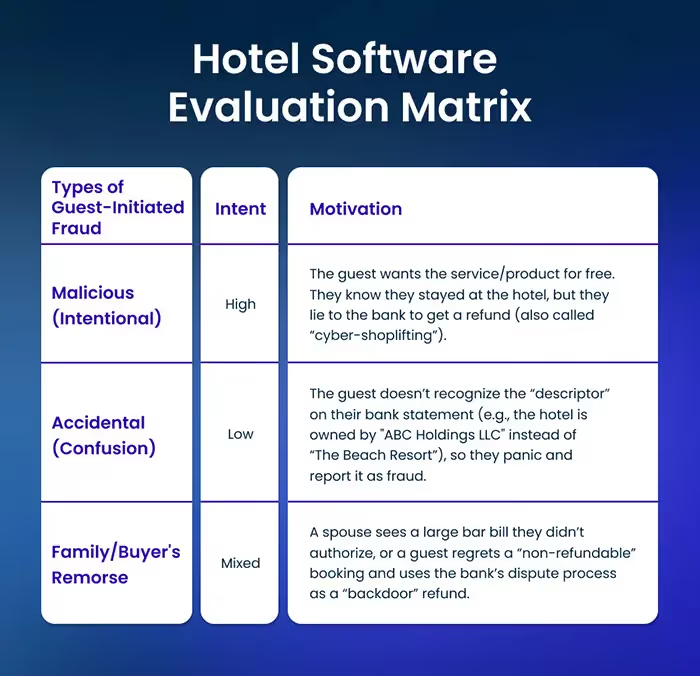
Payrails reports that 50% of chargebacks are actually guest-initiated disputes or “friendly fraud.” When a guest disputes a legitimate charge (often weeks after their stay), it leaves your team scrambling to recover lost revenue.
But though this type of fraud may be accidental, it’s still frustrating for hotels. According to Chargeback.io, merchants typically only win 45% of these disputes.
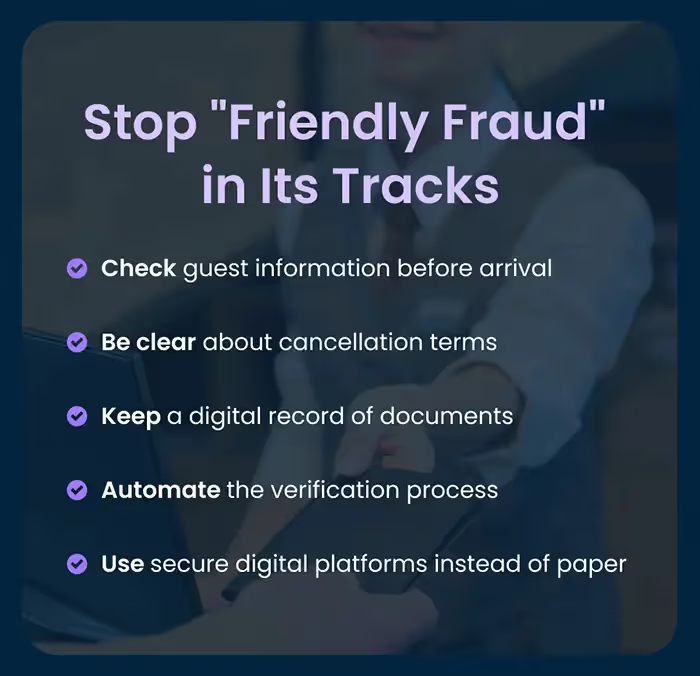
Stop chargeback fraud before it begins by securing payment details early, automating verification and keeping communication airtight. Below, we break down five practical strategies to reduce disputes and protect your revenue, starting with verified digital authorizations.
Capture Verified Digital Authorization Before Arrival
Friendly fraud happens when a guest disputes a legitimate charge, often after they’ve enjoyed their stay. This is where you’re at risk of losing revenue without the proper safeguards. One of the most effective ways to combat chargeback fraud is to secure verified payment authorization digitally before guests arrive.
With solutions like Canary’s Digital Authorizations, hotels collect and verify payment information in advance using secure, PCI-compliant links. This process prevents fraud and saves time at check-in. Make digital authorization part of your standard pre-arrival workflow by:
Requiring verified cardholder signatures and photo IDs before arrival
Using tokenized links to keep sensitive data secure
Sending automatic reminders for incomplete authorizations
Maintain Transparent Pre-Stay and Post-Stay Communication
Most chargebacks come down to a lack of clarity about policies, or guests not recognizing the charge. Transparent communication before and after a guest’s stay clears up confusion and helps hotels avoid disputes labeled as fraud. Effective guest engagement builds trust and keeps expectations aligned.
Make communication easy, consistent and documented by:
Clearly stating cancellation, no-show and incidental policies
Using automated messaging to confirm bookings, authorizations and folio details
Following up after checkout to resolve issues before they escalate
Store Clear Transaction Evidence
If a chargeback does occur, documentation is your strongest line of defense. Friendly fraud can be reversed if the hotel presents enough credible evidence to the bank. That means storing detailed, time-stamped records of every transaction and interaction.
Establish a standardized digital paper trail for each guest by:
Keeping all digital authorizations, folios and receipts on file
Saving message logs and call notes from your guest messaging platform
Storing security footage and key logs when relevant to the dispute
Automate Card Verification
Manual payment collection opens the door to human error and unauthorized use. Automating card verification at key points (like booking and pre-arrival) helps hotels catch red flags early and reduce fraud chargebacks.
Instead of relying on the front desk to verify cards during check-in, shift verification to a digital process:
Use tools that flag mismatched names or invalid card details
Integrate pre-authorization into your mobile check-in or booking process
Automatically alert staff when guest verification fails
Leverage Digital Authorization Tools
Hotels no longer need to rely on fax machines or paper forms to protect against fraud. Digital authorizations are more secure, efficient and compliant and they reduce the risk of chargebacks by up to 90%.
Solutions like Canary’s Digital Authorizations give hotels the tools to:
Eliminate insecure paper forms
Collect guest signatures and photo ID through encrypted links
Prevent unauthorized use of corporate or third-party cards
5 Best Practices for Fraud Detection in Hospitality Industry Processes
Fraud prevention doesn’t end once a reservation is made. Want to stay protected? Build fraud detection into everyday workflows, from the front desk to finance. That means creating systems that identify suspicious activity early, automate verification steps and make it easy for staff to respond in real time.
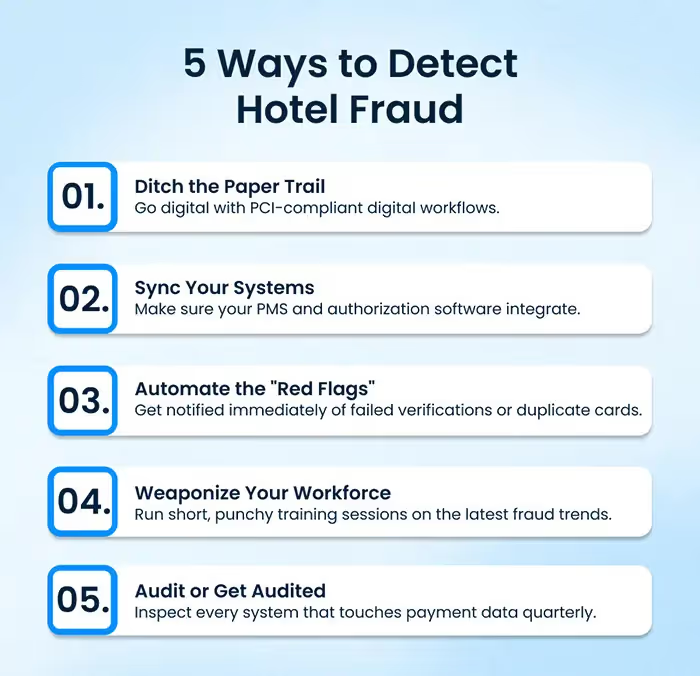
The key is making fraud detection part of your property’s core processes. Below are five practical ways to strengthen your fraud prevention strategy using secure tools, staff training and smarter system integrations.
Replace Manual Authorization Forms with Digital Tools
Manual credit card forms have become outdated, insecure and easy targets for fraud. Switching to digital authorization platforms helps teams collect payment info through PCI-compliant workflows designed to ensure secure transactions.
Modern digital tools validate cardholder identity upfront, encrypt payment details and store everything securely in the cloud. This protects guests, reduces fraud and saves front desk and finance teams hours of manual paperwork. Make authorization safer by:
Eliminating paper forms and fax machines across departments
Using tokenized authorization links that automatically expire
Collecting signature, ID and card info in one secure step
Integrate Fraud Detection Across PMS and Payment Systems
If your fraud tools aren’t connected across the system, you might miss the key indicators of a scam. Connect your scam detection efforts across the platforms your team already uses, including your property management system (PMS), booking engine and payment processors.
When you layer in secure payment links, bookings and payments are protected from the start and in real time. Sync data across systems to track chargeback trends or repeat offenders. Here’s how to build an integrated defense:
Connect digital authorizations to your PMS for better visibility
Use payment gateways that detect mismatched cardholder details
Flag transactions with inconsistent booking data or unusual patterns
Automate Alerts and Identity Verification Steps
Catching fraud early requires immediate signals when something’s off. Automated alerts and built-in ID verification workflows help teams act quickly without slowing down the process. When a card fails verification or a name doesn’t match, fraud prevention protocols should trigger automatically.
Layer these tools into pre-arrival workflows, mobile check-in or online booking flows. Automation helps reduce human error and catch suspicious activity before it hits your ledger. Consider adding:
Real-time alerts for failed verifications or duplicate cards
Mobile ID upload for high-risk bookings
System flags for first-time international cards or unusual locations
Regularly Train Front Desk and Finance Teams
Fraud detection is only as strong as the people behind your processes. That’s why continuous hotel staff training is essential. Your teams should all know how to spot red flags, escalate concerns and follow standardized fraud response workflows.
Training doesn’t need to be complicated or time-consuming. A quick refresher each quarter reinforces best practices, reduces mistakes and empowers staff to take action. Include:
Live or recorded training on fraud trends and how to respond
Sample scripts for denying unauthorized transactions
Checklists for verifying guest ID, cardholder name and booking details
Audit Payment Processes and Security Protocols Quarterly
Fraud tactics are always evolving, so make sure your defenses do too. Set a recurring schedule to audit your hotel’s payment workflows and digital security standards. Use these audits to identify weak points, outdated tools or process gaps before they’re exploited.
Start with a quarterly review of every system that touches payment info, from booking forms to payment gateways to guest communications. Uncover friction points that frustrate guests or expose your property to risk. Focus your audits on:
Gaps in Payment Card Industry compliance or digital payment handling
Authorization steps are missing from corporate or group bookings
Systems storing card data in unsecured formats
Enhance Your Hotel Scam Defenses with Solutions from Canary
You don’t want to be behind when it comes to finding fraud. Instead, prevent scams at every stage of the guest journey with Canary’s end-to-end guest management system. It’s built with secure, automated tools that reduce chargebacks, verify guest identity and protect your bottom line.
Canary simplifies fraud prevention with easy-to-use technology that integrates seamlessly with your existing systems. Key features include:
Canary Digital Authorizations: Eliminate paper forms with secure, PCI-compliant digital authorization links
Secure Payment Links: Protect every transaction from booking to checkout
Mobile Check-In and Smart Checkout: Reduce front-desk fraud with verified, contactless workflows
Automated ID Collection: Instantly verify guest identity before arrival or at check-in
Canary is trusted by over 20,000 hoteliers worldwide (including leading brands like Four Seasons and Wyndham) to eliminate fraud, streamline operations and deliver a more secure guest experience.
Book a demo today and see how you can prevent common hotel scams with tools from Canary.
Frequently Asked Questions
How can I identify potential hotel fraud before check-in?
Look for inconsistencies in the reservation, like mismatched names on the booking and credit card, last-minute bookings with high-value room types or requests for third-party billing without clear documentation. These are all red flags that should prompt closer review.
Hotels using digital authorization tools gain an advantage by automatically verifying cardholder details, collecting ID and securely storing documentation before check-in. When identity verification is built into your pre-arrival workflow, it's easier to catch suspicious activity without slowing down legitimate guests.
What role does staff training play in preventing hotel credit card fraud?
Well-trained staff are your first line of defense. Front desk and finance teams interact with payment data daily, so they can spot warning signs and follow proper fraud response protocols. Without clear training, it's easy for manual errors or missed steps to expose your hotel to risk.
Regular hotel staff training ensures everyone knows how to verify IDs, deny incomplete authorizations and escalate suspicious behavior. A quick quarterly refresher keeps your team sharp and aligned on fraud prevention best practices.
How does digital authorization help reduce hotel scam chargebacks?
Digital authorizations replace insecure paper forms and manual processes with a secure, automated system. Guests receive a PCI-compliant link to submit their credit card details, photo ID and signature all before arrival. This creates a verified digital trail that’s easy to present in case of a chargeback dispute.
Hotels that use Canary Digital Authorizations have seen chargebacks drop by up to 90%. When documentation is clear, complete and securely stored, it's significantly harder for guests to falsely dispute a charge and much easier for your team to win chargeback cases when they arise.
Can fraud prevention be automated without creating friction for guests?
Yes! The most effective fraud prevention strategies are invisible to the guest but powerful behind the scenes. Automating steps like ID collection, card verification and suspicious transaction alerts removes friction at the front desk while enhancing security.
Solutions like Canary’s Guest Management System let hotels build fraud checks into existing workflows, such as Mobile Check-In or Digital Authorizations. This gives your team the tools to stop scams before they start without sacrificing guest satisfaction.








.avif)